Showing posts with label 24/7/365. Show all posts

Tuesday, July 2, 2024

Meet Dr. Diez!!

Meet Dr. Adrienne Newball Diez
Staff Veterinarian DVM

Member of Broward County Veterinary Medical Association

Adrienne Newball Diez, a Puerto Rican native, knew at a very young age that her love and respect for animals would lead her to become "an animal doctor". Raised by a single mother in a home that values honesty, empathy, perseverance, responsibility and humility, she credits the support of her family as the key to reaching her goal of becoming a veterinarian.

Her passion for veterinary medicine solidified during a hands on experience with farm animals while earning her bachelor's degree in biology at the University of Puerto Rico, Mayaguez Campus. She received her Doctorate of Veterinary Medicine at Ross University School of Veterinary Medicine in St. Kitts and finalized her goal with a clinical year at Oklahoma State University.

With a strong interest in ophthalmology, dermatology and oncology, her long-term hope is to further her training through the pursuit of a residency. While at VCA Hollywood Animal Hospital Dr. Diez remains focused on building connections with our pet community and providing exceptional care to her patients.

When not in her white coat, Dr. Diez enjoys traveling, reading sci-fi fantasy novels and spending time with her family and three spoiled fur siblings.

Education: Ross University, 2024, DVM

Meet Dr. Regenbaum!!


Meet Dr. Tayla Regenbaum
Staff Veterinarian DVM


Member of the Broward County Veterinary Medical Association


Born and raised in sunny South Florida, Tayla Regenbaum was surrounded by a variety of pets during her upbringing and developed a deep passion for animals that drove her passion to become a veterinarian. After earning her undergraduate degree from the University of Florida, she went on to complete her Doctorate of Veterinary Medicine at Louisiana State University. Dr. Regenbaum now joins VCA Hollywood Animal Hospital, eager to gain experience and ultimately pursue a residency in veterinary neurology and neurosurgery.

Perfectly suited for a South Florida lifestyle, in her free time, Dr. Regenbaum can be found soaking up the sun at the beach, boating, or doing anything outdoors like hiking, golfing, or playing tennis. She also loves to cook, to travel the world, and to spend time with family. Dr. Regenbaum is also an advocate for conservation medicine and environmental sustainability. As she strives to integrate sustainable practices into her personal and professional life, we are excited to benefit from her innovation.

Education: Louisiana State University 2024, DVM

Thursday, January 11, 2024

Did you know? Genetic Testing can help your pet better fight cancer!


Did you know...
DNA Genetic Testing is used to help pets with cancer!

Let’s delve into DNA genetic analysis! What exactly is it?

Genetic testing, also referred to as DNA testing, involves the use of technology or DNA sequencing to identify abnormal changes in genes, chromosomes or proteins. These changes, termed mutations or variants, often contribute to the formation and progression of cancer. DNA genetic testing is routinely used in human medicine and is anticipated to become a standard in veterinary oncology.

How can DNA genetic testing help my pet with cancer?

When DNA mutations or variants are identified through genetic testing, chemotherapy drugs that specifically target the identified mutations can be recommended as treatment for your pet’s cancer. Although DNA genetic testing is not perfect and may not always yield results, it can often help you and your veterinary oncologist make informed treatment decisions and can provide additional insights into prognosis for your pet. This precision allows veterinary oncologists to use precise and targeted chemotherapy to treat cancer, which decreases the risk of chemotherapy side effects.

DNA genetic testing can be especially helpful in challenging cases in which treatment options are limited. Ultimately, our goal is to extend your pet’s survival time past what is expected with conventional chemotherapy. By specifically targeting the mutations identified in your pet’s cancer, many times, targeted chemotherapy and conventional chemotherapy can be safely combined.

What samples are necessary for DNA genetic analysis?
Samples required for DNA genetic testing are typically obtained non-invasively. Depending on the specific test, blood, fine needle aspirates, or biopsy samples are necessary.

Is DNA genetic testing available for both dogs and cats?
Unfortunately, DNA genetic testing is exclusively available for dogs. However, there is hope that it will soon become accessible for cats.

My dog has been diagnosed with cancer. Is DNA genetic testing the next step?
Maybe! Not all cancers are treated equally, and chemotherapy is not always the chosen course of action. Sometimes, surgery alone might suffice for treating your pet’s cancer.

It is the goal of our Oncology Service is to help you explore the best treatment options for your pet and ensure treatment is focused on improving their quality of life. Learn more about our VCA Pet CancerCare Center and how our experts are here to care for your pet.


Dr. Irene Vazquez is a gifted and dedicated veterinarian who leads our Onolcogy department with a primary focus on improving quality of life for every pet that is diagnosed with cancer.
To schedule an appointment and to learn more about Dr. Vazquez, visit our website and watch this video.

Watch Video   


Advanced Cancer Care for the World's Most
Important Pet: Yours

At VCA, it is our goal to help treat your pet’s cancer, giving you and your pet more quality time together. At our VCA Pet CancerCare Centers, our oncology teams design individualized treatment plans for each patient using the most advanced and effective treatments available—much like those used in human medicine.

Learn about the VCA Pet CancerCare difference and watch the stories of pets we've helped after a cancer diagnosis.


Friday, August 27, 2021

Message from our Oncology Department:

Welcome back, Dr. Vazquez!!!!!!

We are pleased to announce that Dr. Irene Vazquez, returns from maternity leave on Tuesday, September 7th to resume her full schedule of appointments and procedures Monday- Thursday.

 We are very excited to have her back and look forward to sharing with you some of the newest treatments she is implementing in her cancer care service.

As always our Emergency Service is open
24/7/365.
Our Specialized Veterinary Care is available
Monday-Saturday!

We understand the unique impact this year has had on all of us and we are grateful to be your source for emergency & specialty pet care.

Learn more about Pet Cancer Care and the vast resources that are available through your local VCA Hollywood Pet Cancer Care Center.

Thursday, August 26, 2021

Our frontline team needs your help as we work hard to make sure you and your pet receive the best care!

We’re working hard to make sure you and your pet receive the best care. Over the last 18 months, we’ve stretched and adapted, and never closed our doors. But historic pressures facing the veterinary field caused by the COVID-19 pandemic are taking their toll—and we need your help.

The COVID-19 pandemic continues to impact our lives and we are grateful for your patience and understanding as we continue to adapt to new ways of caring for pets. At VCA Hollywood, the health and well-being of your pets is our top priority. The pandemic has placed significant pressures on the veterinary field across the country and we wanted to share more information on these forces impacting our hospital, how we’re continuing to adapt to ensure your pet receives the best care, and what strategies we are employing to navigate this new reality.

What is happening? As you may know, millions of animals have found their forever homes since the start of the pandemic. As more people worked from home, they noticed changes in their pet’s condition sooner. This has led to historic demand for veterinary care.

Unfortunately, the field of veterinary medicine is struggling to keep up. There is a significant shortage of qualified professionals—from veterinarians to technicians to support roles. This shortage has created a challenging landscape for thousands of veterinarians across the country, including our own. Thus resulting in longer wait times and fewer available appointments.

What are we doing about it? In addition to shifting our care services to continue to keep pets and people safe, we are hiring. VCA swiftly evolved their recruiting program to find more care professionals who can join our hospitals. Yet, after successfully hiring hundreds of veterinarians and technicians just this year, more are still needed and there aren’t enough people in the field.

How does this impact your pet’s care today? While we are making progress to address these challenges brought on by the pandemic, we acknowledge that your experience has been impacted. Due to increased demand for care, longer operational protocols and reduced staff, we are seeing longer wait times and appointments booking weeks in advance. 

We recognize that this can be frustrating, and the entire team appreciates your patience and understanding as we navigate this once-in-a-lifetime landscape facing the whole field of veterinary medicine.

As we continue to work through these challenges, we’d encourage you to book appointments as early as possible. 

Not every appointment can be anticipated, and we always try to reserve time each day for same-day and emergency care, but these appointments fill quickly given how many new pets there are to serve.

We currently offer in-person appointments. Appointment must be scheduled in advance to allow our team to continue to provide the excellent medical care you have come to know and love, with extra one-on-one time for your pet.

Above all, we are committed to the care of your pet. Please know that everyone on our team is working harder than ever to care for as many clients and patients as possible. We ask for your understanding and we very much appreciate your patience and kindness.

For our team, caring for pets is not only a career but also our passion. We’re all doing our best to find new and innovative ways to care for as many pets as possible while still providing world-class care and the client experience you deserve and expect from us.

Thank you for remaining a loyal part of our hospital community and for your continued trust.

Tips & Tricks
The best appointments to book early include annual and semi-annual wellness check-ups, vaccinations, dental cleanings, and elective surgeries. You can book through our website, on the myVCA app or by calling us directly.

During your next visit, it’s also a good idea to book your pet’s next appointment right at check-out. If you aren’t sure when or what your pet’s next appointment should be, our hospital team can help or you can check myVCA app.


Wednesday, April 1, 2020

Lumps and bumps in the skin, should you be concerned?

The answer is not always, but an examination by your veterinarian is needed to determine this.

As pets grow and get older, they can develop lumps and bumps throughout their body. Although it is more common for older pets to develop skin masses, younger pets can develop them too. On many occasions skin masses are classified as benign. Sometimes, however, they can be malignant and cause problems. The best course of action to determine whether a lump or bump in your pet’s skin is benign or malignant is to have it evaluated by your veterinarian.

More than likely, a fine needle aspirate for cytology evaluation will be recommended to determine if further medical care is needed.A non-invasive technique that can be used to determine whether a skin mass is benign or malignant is a fine needle aspirate. This technique involves obtaining samples from the mass or abnormal tissue using a small needle. The sample obtained is then gently expelled onto a clean glass slide with the help of an empty syringe and examined with a microscope. This technique does not require sedation and can be rapidly performed.

Examples of benign masses in the skin include fatty tumors (also known as lipomas), sebaceous cysts, sebaceous adenomas, warts, skin tags, and benign tumors such as histiocytomas, among others. Unless they are causing a problem for your pet, such as impacting mobility or causing skin irritation, these don’t always require additional medical care and can be closely monitored. 

Examples of malignant masses in the skin include certain types of cancer such as mast cell tumor, carcinoma, melanoma, soft tissue sarcomas, and hemangiosarcoma, among others. Because malignant masses can be locally aggressive and spread to other locations in the body, such as the lymph nodes and the lungs (also known as metastasis) further medical care such as surgery and possibly chemotherapy are usually needed as well.

It is definitely scary to find a lump or bump in your pet’s skin. Having them examined right away will ultimately let you and your veterinarian know the appropriate next steps to take.

Learn more about Pet Cancer Care at VCA Hollywood Animal Hospital @

Tuesday, February 25, 2020

A Team Approach to Cancer Care, VCA Pet Cancer Care Center!

A diagnosis of cancer is stressful for every pet owner. Helping owners learn as much as they can about the disease and the latest advances in treatment is key to managing fear, confusion, and helping them make an educated decision on their pet’s health.

Our mission is to provide an exceptional level of progressive and sensitive cancer care to the cancer patient through a team approach and ensure that our client is always well informed and comfortable with decisions made regarding their pet’s care.

Using the strengths and expertise of all specialists on site, including doctors from our Surgery, Internal Medicine, Cardiology, Dermatology, Radiology, and Emergency and Critical Care departments we tailor treatment protocols for each pet’s specific cancer and physical conditions to optimize the outcome and minimize side effects.

Our technicians have experience in caring and supporting cancer patients. They are knowledgeable and experienced in chemotherapy administration and treatment and they adhere to strict protocols to maintain the highest level of safety for the staff and patient. We emphasize support, education, and improving the quality of life for all animals, particularly those undergoing treatment.

Our Medical Oncology department utilizes chemotherapy to treat cancer.  Each tumor type has a different biological behavior. Depending on the tumor type, staging exams are usually performed prior to recommending treatment. Staging exams may include fine needle aspirates and/or biopsies, chest radiographs, an abdominal ultrasound and ultrasound guided aspirates, CT scan, etc. These can all be performed on-site and help us gain a better idea of the pet’s overall health.  Based on the tumor type and staging exam results, we may recommend surgery, chemotherapy, or a combination of both treatments. For some types of cancer, a curative intent treatment can be pursued. For others, a palliative intent treatment may be followed. 
 VCA Hollywood offers Medical Oncology Services
 with Dr. Irene Vazquez.
 Get to know Dr. Vazquez!

Wednesday, February 5, 2020

News You Can Use- Bloat!


What is gastric dilation volvulus?
If you have seen the heart wrenching movie “Marley and Me”, you may be more familiar with the disease than you think. In the story, Marley was diagnosed with a condition referred to in the movie as a “stomach twist” which is medically known as gastric dilation volvulus. The movie gave us the notion that it is a very serious disease, but doesn’t really give us much beyond that. Today, we will dive into what happens behind the scenes in the case of GDV.

What is GDV?
Gastric dilation volvulus (GDV) is a life-threatening condition in which the stomach twists on itself and causes distension of the stomach. The stomach can twist anywhere between 90° and 360°. The torsion causes the outflow tract of the stomach (pylorus) and the esophagus (if the twist is greater than 180°) to close, kind of like twisting two ends of a Tootsie Roll. This means gas, solids, and liquids cannot enter or leave the stomach. This causes the stomach to bloat. The gas distended stomach occludes the blood vessels that lead to the heart which prevents proper blood flow and causes the pet to go into shock. If left untreated, GDV can lead to organ failure from lack of oxygen rich blood, heart arrhythmias, stomach rupture, sepsis, and death. Because there are blood vessels that connect the spleen to the stomach, the spleen is sometimes involved in the torsion.

What Causes GDVs
GDV most commonly occurs in large breed, deep chested dogs, such as the Great Dane and the Doberman. It tends to occur when dogs consume large amounts of food or water followed by exercise.

Signs to Watch For
It is assumed a dog experiencing GDV will look bloated. Though many dogs will be visibly bloated, some dogs’ stomachs are tucked up within the rib cage which would hide the bloat. Therefore, it is important to consider GDV if your pet fits the following characteristics and is showing the following signs.
     Distended abdomen
     Retching without vomiting 
     Pain
     Restlessness
     Recently consumed a lot of food or water followed by exercise
     Large breed and deep chested dog 

Diagnosis and Treatment
A confirmatory diagnosis is based on a right lateral (right side of patient on table) abdominal radiograph (x-ray). The radiographs will show a gas distended stomach that takes the shape of a smurf hat or Popeye’s arm.

Treatment
Decompressing the stomach and IV fluid therapy are the most important steps in treating GDV. Passing a stomach tube may be attempted, but if the esophagus is twisted, then passing a tube will not work. In those cases, puncturing the stomach with a needle (trocarization) can relieve the pressure until the surgery can be performed. Once the patient is stabilized, the dog is put under anesthesia for surgery. The stomach is first untwisted so that a stomach tube may be passed to clear the contents of the stomach. Then a procedure, called gastropexy, is performed in which the stomach is tacked to the left side of the body wall to decrease the risk of torsion in the future. 

Prevention
The gastropexy procedure mentioned above can also be performed prophylactically to decrease the risk of stomach torsion in large breed, deep chested dogs. It is actually a common procedure performed in military and police dogs. A gastropexy can be requested to be done at anytime if your pet is an at risk breed. It is often a procedure performed in conjunction with a spay or neuter.

Sometimes, It’s Not GDV
It is possible for dogs to experience bloat without torsion of the stomach in a condition called gastric dilation or simple bloat. This usually occurs in gluttonous dogs who have the tendency to eat too much, too fast. This condition, unlike GDV, is usually not life threatening. However, the pet should be immediately evaluated by a veterinarian because the symptoms are indistinguishable from GDV. As stated previously, radiographs of the abdomen can be taken for a confirmatory diagnosis.

Dr. Jalika Joyner


Wednesday, January 15, 2020

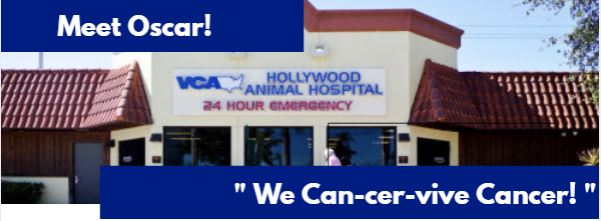
We Can-cer-vive Cancer! - #VCAHollywoodPetCancerCareCenters


Oscar is a 10 year old Shih Tzu that was diagnosed with intestinal lymphoma on September 23, 2019.


Lymphoma is a type of cancer that originates from the abnormal growth of lymphocytes, an important cell of the immune system. Lymphoma in dogs most commonly affects the lymph nodes, but it can also affect the lymphatics within the intestinal tract. Although intestinal lymphoma is not a disease that can be cured, treatment with chemotherapy can help keep the cancer at bay for a period of time, prolong their lifetime, and most importantly, greatly improve their quality of life.


Oscar underwent 15 weeks of chemotherapy with the *CHOP protocol and received his last chemotherapy treatment today! He did great throughout his chemotherapy protocol and experienced minimal to no side effects.

He's our little trooper and a chemo rock star! We are so proud of him and will miss seeing him through our Oncology Service.  We wish he and his family the best of luck!


VCA Hollywood's Oncology Department applies a team approach to cancer care using the strength & expertise of all of our on site specialists Surgery, Internal Medicine, Cardiology, Dermatology, Radiology and Emergency & Critical Care departments to provide the very best care


Dr. Vazquez joined our team in July of 2019 after completing her Oncology Residency at Auburn Univeristy. For Dr. Vazquez, the most important thing in dogs and cats after a diagnosis of cancer is that  treatment is focused on improvement of their quality of life.


* CHOP is the 'gold standard' of  treatment for dogs with multicentric lymphoma consists of a multi-agent, CHOP-based chemotherapy protocol incorporating several injectable and oral drugs given on a more-or-less weekly basis for a period of several months.


Monday, January 6, 2020

News You Can Use- HeatStroke!


Here in sunny south Florida, the summer heat isn’t just generally uncomfortable, it can also be very dangerous for your dog.

Heatstroke (hyperthermia) occurs when the body gets overheated and cannot be cooled by your pet’s normal cooling mechanisms such as panting.

We see heat stroke commonly in our furry friends this time of year. If not treated promptly, this condition can lead to severe sickness, shock, and even death.

So here’s what you need to know!

When does heatstroke occur?
We commonly see heatstroke in the summer when dogs have been outside for long periods of time, often with no access to shade or water. Other high risks for heatstroke include exercising in the summer heat of Florida or leaving pets in vehicles.

What does heatstroke look like?
Signs of heatstroke might include an excessive increase in panting, increased salivation, bright red gums and tongue or pale gums and tongue, and/or weakness and depression. Further signs of vomiting and diarrhea are signs of shock syndrome and indicate that heatstroke has progressed. If treatment is not sought, organ failure and death follow these signs.

I think my pet has heatstroke, now what?
Heatstroke is an emergency situation and your pet should be evaluated by a veterinarian as soon as possible!
However, first, you can wet your dog’s paw pads and ears with room temperature water, cover him with a wet towel, and get him in space with a fan or AC. Do not use cold water or ice as the temperature difference can cause more severe shock.
Then, he should be brought to the nearest emergency hospital where he can be monitored and treated for life threatening complications associated with heatstroke such as bleeding disorders and shock.

In instances of heatstroke, the sooner we can intervene, the better the outcome!

Tips to safely enjoy the dog days of summer!
-       Always keep water available if you plan to exercise your furry friend or be outside for long periods of time
-       Try to avoid outside activity during the hottest hours of the day
-       Never leave your pet in a car without air conditioning. A car becomes extremely hot, extremely quickly!


Jenna Cardillo, DVM


Thursday, December 19, 2019

Free Photo with Santa!!

 Free Photo with Santa!!

Pet photos are rarely simple but they are always super fun! 

This Saturday, our pet community came out VCA Hollywood’s 8th Annual Free Pet Photo with Santa Event. With over 800 photos taken, the weekend proved to be a success.

Now a regular fixture in our holiday traditions, Santa's visit marks the end of our Pet Food Drive for Meals on Wheels for Companion Pets Program and we are grateful to all who came, donated and shared in the fun with the Big Bearded One! Every year, Santa is sure to make time to visit our hospital staff to ensure he shares his holiday spirit.

Visit our Facebook page for great photos of some of the fur-families that joined in the fun as well as outtakes of the hilarity that ensues whens Santa suits up with a lot of animals!

*These collections are full of some "great shots" and also some silly, "feline in your face", "dog on your lap good" times. Enjoy!

More info on our inspiration for the Pet Food Drive.

Meals for Companion Pets Founded in 1999, the Meals for Companion Pets Program is a volunteer-driven effort providing pet food to homebound and disabled seniors in Broward County. Research shows that seniors with pets are less likely to exhibit depression, report feelings of loneliness and experience illness. But taking care of a pet – feeding, grooming and veterinary care – can be financially and physically burdensome to seniors. More often than not, a devoted animal lover with limited access to food will feed their hungry pet before they feed themselves. Pet food is provided through the generosity of local donors and grants and is delivered on the third Saturday of each month. Volunteers are always needed on the third Saturday of the month to pack & deliver food.


Monday, December 2, 2019

News You can use: What you need to know about Kennel Cough?


What is Kennel Cough?
Known by most as Kennel Cough but also goes by Canine infectious respiratory disease complex. This is a group of multiple pathogens which together can cause respiratory disease in dogs. Infection is most commonly seen in dogs which are exposed to areas with large groups of dogs, commonly shelters, kennels, groomers, dog shows, and vet clinics. The disease is very contagious and easily spreads through these areas with lots of dogs. The most common bacteria that play a role in this complex are parainfluenza virus, canine adenovirus(CAV-2), Mycoplasma, and Bordetella. The disease can range from mild clinical signs to severe depending on the bacteria involved and the dogs immune system.

How is kennel cough spread?
Kennel cough is spread through respiratory secretions and from objects which have been exposed to these secretions. So that means even if your dog is never playing with another dog who has the virus, if they sit on the same table or play with the same toy they can become infected. The incubation period is 3-7 days which means your dog can be exposed but you don’t see the signs for up to one week.

What do you see?
The most common sign of kennel cough is coughing. The clinical signs vary and are usually split between uncomplicated and complicated cases. Those which are uncomplicated you commonly sick dogs which exhibit a dry cough and sometimes discharge from the eyes or nose. Some animals which fall into the complicated category exhibit moist cough with discharge and also occasionally bronchopneumonia.
 
Diagnosis
Most cases are diagnosed based on the history of being in an area with many dogs, ie kennel, dog park, dog show, etc. Clinical signs the dog is exhibiting are also an important role in diagnosis. In cases which are complicated sometimes blood work, thoracic x-rays, cytology, or PCR panels to look for viruses are used.

Treatment
Most cases which are uncomplicated are told to restrict the dogs exercise mainly then depending on the extent some are prescribed cough suppressants and occasionally antibiotics if bacteria is suspected. Those cases which may have more severe effects like bronchopneumonia may need nebulization, drugs to dilate the airways, antibiotics and restricted exercise. The prognosis when treated is good to excellent.

Prevention
Vaccination is a good way of avoiding kennel cough or decreases the likelihood. Bordetella vaccine given through the nose helps to prevent or decrease clinical signs associated with kennel cough. The vaccination is mandatory for most boarding facilities as well as many large dog shows. There is also an injection form of the vaccine as well as one put into the mouth. Kennel cough can also be prevented by avoiding areas with large groups of dogs and good sanitation in areas with lots of dogs.


Dr. Natalie Savo

Friday, November 1, 2019

News You Can Use-Leptospirosis: a life threatening disease hiding in urine!


What is leptospirosis?
Leptospirosis is formally known as an anaerobic, gram-negative, spirochete bacteria, but more simplistically known as a bad micro-organism that can cause disease in essentially all mammals. Disease is not limited to our domesticated species, especially the dog, but can also be found in many different wild life species and is found throughout the world. The micro-organism particularly likes warm, moist climates and likes to live in stagnant water. As well, depending on where you are in the world, there are many different sub-types of leptospirosis that can all cause disease.

In our domestic animals, it is more commonly associated with disease in dogs than in cats. However, recent research shows that it may play a greater roll in cats than we suspected up to this point. In animals that carry leptospirosis, the pathogen is shed in the urine. In dogs, the most common route of infection is to come in contact either directly with infected urine, or vegetation, dirt, food or water contaminated with urine. The pathogen then penetrates through intact or cut skin, or directly through mucus membranes. Although it can sometimes cause chronic disease, most animals become acutely ill within 10 days.

Not only is leptospirosis a cause of illness in dogs and possibly cats, it can also infect humans! This is a zoonotic disease and special care should be taken with those animals where infection is suspected. Especially to avoid direct contact with the animal’s urine!


What should I look out for?
What does leptospirosis illness look like in your dog? Leptospirosis can affect many different body systems as it spreads through the body via the bloodstream. Depending on the degree of protection the dog has from its immune system, the severity of illness can differ. However, it is important to look out for signs including: fever, stiff muscles, weakness, vomiting, rapid dehydration, lethargy, drinking and peeing more than usual, a new cough or difficulty breathing. The disease is commonly associated with kidney disease, as the pathogen likes to live and reproduce in the kidneys.

Diagnosis
The diagnosis of leptospirosis can sometimes be a difficult one, as multiple tests are needed for a definitive diagnosis. Not only does it require that we see if the host body has developed antibodies to the pathogen, it is also important that we try to find the leptospirosis organism itself within bodily organs and tissues. Interpretation of the antibody tests can become difficult in older animals and those who have previously received the vaccine. Therefore, repeated tests are often necessary. To detect to organism in bodily tissues, highly skilled laboratory workers are needed, and even then there is question about the diagnostic quality.  

Treatment
Due to the difficulty diagnosing this infection, immediate treatment is necessary when it is suspected. If infected with acute clinical signs, the disease can be life threatening. Treatment is limited to supportive care and anti-biotic medications, including hydration therapy to help support the kidneys and other affected organs. The focus is to help prevent dehydration, to provide treatment for any other clinical signs such as anti-nausea and liver support medications and to start the patient on strong, effective antibiotics (doxycycline is most commonly used).
How can I prevent it?
As mentioned previously, there are different types of leptospirosis causing disease in different parts of the world. Right now, there is a vaccine against the subtypes Canicola, Icterohemorrhagiae, Grippotyphosa, and Pomona as these are most commonly associated with disease. The vaccine is proven to be quite efficacious at helping prevent clinical disease, reduce shedding in the urine, and help prevent invasion of the kidneys. Immunity can last up to 12 months, and so annual repetition of the vaccine is necessary for continued protection. However, it is important to keep in mind that dogs may still become infected with other subtypes even when vaccinated.


Furthermore, extra care can be taken to prevent unvaccinated dogs from being exposed in marshy/muddy areas, ponds, stagnant puddles and to wildlife in general.

Dr. Liske Bruinsma
https://vcahospitals.com/hollywood/primary/team/liske-bruinsma

Tuesday, October 1, 2019

News You Can Use- Toad Toxicity: The frog you should never kiss!


The frog you should never kiss!

The Bufo toad (Bufo marinus) also known as marine toad, giant toad, or cane toad is commonly found in the south Florida area. These toads are brown to greyish-brown in color with black or white spots. They are often seen at dusk, dawn, and during the night. Bufo toads have glands on the back of their heads, called the parotid glands that secrete a whitish liquid. This secretion is highly toxic to dogs, cats and other animals. This toxin may also cause skin irritation in humans.

Dogs are commonly exposed by biting or licking the Bufo toad. Once exposed the toxin is rapidly absorbed through the mucous membranes (gums), eyes, open wounds, or gastrointestinal tract. The toxin reaches the bloodstream and targets the heart, blood vessels and nervous system.
   
Clinical signs you may see are brick-red mucous membranes (gums), foamy salivation, difficulty breathing, staggering and stumbling, vomiting, convulsions or seizures and irregular heartbeat. There is no antidote for Bufo toad poisoning so immediate treatment is critical.

Immediately rinse out your pet’s mouth with a soaking wet wash cloth several times to remove the toxin from the mouth. Please do not use a hose to rinse the mouth as water can accidentally be inhaled into the lungs leading to aspiration pneumonia, a potentially life –threatening condition. After rinsing your pet’s mouth, proceed to the nearest veterinary clinic or emergency clinic as the toxin acts quickly.  

In hospital treatment may consist of intravenous fluids and medications to counteract the seizure activity and cardiac abnormalities. Depending on the degree of symptoms your pet may have to be hospitalized for several days following exposure.

Possible prevention of Bufo toad poisoning includes walking your pet on a leash during times when toads are commonly seen. Bowls of pet food and water kept outside should be picked up at night as they have the potential to attract toads to the area. 


Dr. Amanda Causey
https://vcahospitals.com/hollywood/primary/team/amanda-causey

Friday, May 10, 2019

Honoring Bobbi Arnold!!!

This May, our own Barbara “Bobbi” Arnold, was awarded induction into the ADRC Broward Senior Hall of Fame as one of 10 seniors in our community who were recognized for their dedication to volunteering in Broward County.

The ADRC recognizes Broward residents, age 60 and older, who have dedicated more than five years volunteering their precious time in the county. This year's honorees joined the ranks of the past 422 electees at the 36th Annual Dr. Nan S. Hutchison Broward Senior Hall of Fame Breakfast, which took place today, Friday, May 10, 2019.

Nominated for her 20 years of work with Meals on Wheels & Meals on Wheels for Companion Animals, Bobbi has brought care to hundreds of pets in So. Florida. At VCA Hollywood, we know firsthand the impact Bobbi has had on helping people. Not only, by the compassionate service she provides to our clients as Client Care Coordinator but by the simple existence of our relationship with Meals on Wheels for Pets. 

In 2012, to celebrate our 70th anniversary, Hollywood AH looked for ways to give back to our community. Bobbi, then a Hollywood AH client, introduced us to Meals on Wheels for Pets and our Pet Food Drive was born. Now 7 years later, our annual drive has grown to include local Veterinarians, VCA’s supply partners, local businesses and civic organizations to collect over 18,000 lbs of food and thousands of dollars to provide for these pets of homebound seniors in our county.

Bobbi’s impact on our community is profound and we are very proud and grateful for her.

Please join us in congratulating Bobbi.

Monday, May 6, 2019

Dee a Family Legacy

Alma maters are important, especially to Vets.  Auburn University holds a special place in the hearts of the VCA Hollywood Staff in that from those hall, we were born. Recently, Auburn University did a piece on the Brother’s Dee and the legacy that the Dee family has imparted on our community.

Now over 75 years old, the structure of animal care that the Dee family build includes generations of Veterinarians, Technicians, and staff that have been luck enough to spend a lifetime caring for animals. Inspired by their parents, Dr. Jon, Dr. Larry and Dr. James passed on to our hospital and to the veterinary community a legacy to be proud of. 


We are grateful for their contribution.

Please read more........