Showing posts with label 2013. Show all posts

Thursday, December 26, 2013

December Team Members of the Month!!!

Since the HAH’s inception it has grown to include a staff of over twenty veterinarians and more than 100 technical and supportive staff. All of which have been selected, not only for their compassion and communication skills but also for their appreciation of the special roles that pets play in our lives. Each month, we highlight one staff member that epitomize these qualities and who makes the days at the HAH more enjoyable. However, one group of team members is often excluded from these highlights.
This month we would like to recognize our favorite doctors and say “Thank you, for all your care, compassion and skill. We appreciate the job you do!”**

** All doctors are NOT represented here. Not as a reflection of our lack of undying love for them but rather a reflection of just how darn busy everyone is. It was hard enough pulling this crew out of exam rooms!!!

Thank you to everyone for all you do!


Breast Cancer Awareness!

Breast Cancer in Pets. (yes, they get it too!!)


Many pet parents don't realize that pets can also suffer from breast cancer. In veterinary medicine, these tumors are referred to as mammary gland tumors, and are unfortunately one of the most common kinds of cancer in pets.

Cats generally have eight mammary glands, arranged in four pairs. Dogs usually have 10 glands arranged in five pairs, though the number varies with the size of the dog. Mammary gland tumors in dogs and cats can be benign or malignant. In cats, around 90% of mammary gland tumors are malignant. In dogs, approximately 50% are malignant.

How can mammary gland tumors be prevented in dogs and cats?
The most effective way to prevent mammary gland tumors is to have your pet spayed before she ever goes into heat. There is a myth that animals should have one heat cycle (or give birth to one litter) before they are spayed. In fact, dogs who are spayed before their first heat cycle are 2,000 times less likely to develop breast cancer! Cats spayed before their first heat are 91% less likely to develop breast cancer than unspayed cats. After just one heat cycle, the risk rises in both dogs and cats.

Detecting mammary gland tumors
Just like in people, performing mammary exams in dogs and cats is very important. Early detection is key. If your dog or cat allows, perform a mammary exam on her once a month. Gently feel the tissue under and around each nipple, "rolling" the tissue between your fingers. Very small mammary tumors often feel like a little BB pellet under the skin. If you feel even a tiny lump or firm area, bring your pet to the veterinarian immediately.
There is evidence that canine mammary tumors can become malignant over time, so prompt removal is essential.

Treatment of mammary gland tumors in pets
The main treatment at this time is surgical removal. Depending on the situation, your pet may need to have the affected mammary gland, several mammary glands, or all the glands on that side of her body removed. The tumor that is removed will be sent to the lab for a biopsy to tell you if it is benign or malignant. If the tumor is malignant, your veterinarian may refer you to a veterinary oncologist for consultation.
For more information about keeping your pet healthy, please visit the ASPCA Animal Hospital.


Source:  http://www.aspca.org/blog/term/pet-care
Friday, December 13, 2013 - 3:45pm
Guest blog by Louise Murray, DVM DACVIM, Vice President of the ASPCA Animal Hospital and author of “Vet Confidential: An Insider’s Guide to Protecting Your Pet’s Health”

What exactly does AAHA accreditation really mean?

What exactly does AAHA accreditation really mean?  

The Hollywood Animal Hospital has been AAHA accredited for over 64 years. We have certifications in multiple categories and prepare all year long for scheduled reviews of our records, procedures and protocols. While the title sounds prestigious, what does it mean for pet owners. Ryan Mason, a pet owner and advocate explains it well in this article from the Pet Health Care Gazette.


An AAHA Accredited Veterinary Hospital Is Not Common

According to AAHA itself, only 17 percent of veterinarians are AAHA accredited. It goes without saying that any accreditation that is that difficult to earn undoubtedly has stringent requirements. This is true. The benchmarks for AAHA Accreditation are high in regards to cleanliness and sterility, and inspections are common. The standards go further than just cleanliness, though. Patient care, hospital management, pain management, and record-keeping are all subject to the high standards established by AAHA. The varied standards and high benchmarks make obtaining AAHA accreditation difficult for most veterinary offices.

AAHA Accreditation Does Translate to Healthier, Happier Pets

According to the AAHA website, “AAHA developed the accreditation program to raise the level of care being provided to companion animals.” The high standards in regard to pain management, cleanliness, and patient care clearly do result in healthier animals that are less likely to develop complications after treatment and surgery. For example, the anesthesia standards upheld by AAHA are intended to ensure that the risk of anesthesia-related complications during surgery are reduced. There are over 900 standards dictating patient care alone in the AAHA guidelines. These standards far exceed the ones required by law, meaning that the veterinarians who aren’t AAHA accredited are not required to do nearly as much in terms of patient care as accredited vets do. This isn’t to say that there aren’t good veterinarians who aren’t accredited, as there clearly are. On the whole, however, taking your pet to an AAHA accredited veterinarian gives a peace of mind that is difficult to measure.

AAHA Accreditation Actually Makes Veterinarians More Successful

Becoming AAHA accredited results in a veterinary office that is running at the cutting-edge of patient care, organization, and sanitary standards. Besides the increase in business that an AAHA accreditation can bring to an office, there are many other benefits that people may not immediately realize. Becoming accredited inspires pride in one’s office, and the process itself is a powerful team-building tool. Many offices have marveled at how their team members pull together during the accreditation process.

AAHA Accreditation Is an Extra Step That Benefits Pets

The takeaway from this is that AAHA accreditation, while not for everyone, is indeed a powerful step that benefits pets. The high standards in regard to cleanliness, patient care, hospital organization, and pain management benefit pets. It’s not surprising that AAHA accredited veterinarians are so proud of the accomplishment- and not surprising that pet owners are more apt to trust them. Finding an AAHA accredited veterinarian is not difficult. AAHA accredited veterinary hospitals like the Animal Health Hospital in Tucson, Arizona will display the AAHA logo clearly on their website. If you’re looking for an AAHA Accredited veterinarian in your area you can search AAHA’s website for pet owners.

Source: http://www.pet-health-care-gazette.com/2013/11/14/should-aaha-accreditation-be-one-of-your-criteria-for-picking-a-veterinarian/
About the author:Ryan Mason is a pet owner, feral cat advocate, and writer dedicated to pet welfare living in Tucson, Arizona.

Puppies!!! The before, during and after care.

Prenatal Care

Preparing for your dog's labor and puppy care can be both exciting and fun; still, awareness of potential problems is of paramount importance. It is a good idea to keep track of your dog's breeding date so as to know when to expect what.

After about 35 days of pregnancy, the mother's caloric requirements will begin to increase. In general, she should require about twice as much food as usual, whereas when she begins nursing she will need three times as much food. The best nutritional plan is to buy a dog food approved for growth (i.e., puppy food) and feed according to the package; such diets are balanced and require no supplementation, plus they typically have the extra calories needed by the pregnant or nursing mother. Exercise of a pregnant bitch need not be restricted until after the first 4 to 6 weeks of pregnancy. Do not supplement calcium as this can cause metabolic imbalances; also, excess vitamins may be harmful to the puppies.

Sometime around the 45th day, your dog should be examined by a veterinarian. At this time, the skeletons of the unborn pups will have mineralized and are thus visible on a radiograph. Your dog's abdomen should be x-rayed so that you know how many pups to expect. Ultrasound may be used to confirm pregnancy much earlier (after 25 days, the embryonic heart may be seen beating) but it is more difficult to count the number of pups using this method. A general pregnancy blood test can be performed around day 35 just to confirm whether or not she is pregnant but neither this nor ultrasound will tell you how many puppies to expect; only radiographs can do that.

A comfortable area should be set aside for whelping and raising the puppies. The bitch should feel at home here and should be able to come and go as she likes while the puppies must remain confined.

It is important that the mother dog be isolated from all other dogs for 3 weeks prior to labor through 3 weeks after delivery to prevent herpes infection. Herpes is spread by sniffing and licking between two dogs. Adult dogs rarely have any symptoms but the newborn or unborn puppies generally die.

A dog's gestation period is considered to be 63 days though this is not written in stone and a normal range might be 58 to 68 days.

Impending Labor

When your dog's due date is approaching, you should begin monitoring her rectal temperature. When her temperature drops below 100°F (normal canine temperature is 101-102°F), labor may be expected within 24 hours.       It is a good practice to know how to take your pregnant dog's temperature as her due date approaches.

The First Stage of Labor

During this stage, uterine contractions begin. The bitch will appear restless and may pace, dig, shiver, pant, or even vomit. This is all normal and all an owner can do is see that she has water available should she want it. This stage of labor is long, lasting 6 to 12 hours and culminates with full dilation of the cervix in preparation to expel a puppy.

The Second and Third Stages of Labor


In the video below, a Dalmatian gives birth.      The second stage is the hard labor stage in which the puppy is expelled. The third stage refers to the expulsion of the placenta and afterbirth. Each pup may not be followed by afterbirth; the mother may pass two pups and then two placentas. This is normal.

Puppies are born covered in membranes that must be cleaned away or the pup will suffocate. The mother will bite and lick the membranes away. Allow her a minute or two after birth to do this; if she does not do it, then you must clean the pup for her. Simply remove the slippery covering and rub the puppy with a clean towel. The umbilical cord may be tied in a knot about one inch from the pup and cut with scissors on the far side of the knot. Be careful not to pull on the umbilical cord as this can injure the puppy. The mother may want to eat the placenta but this is probably not a good idea as vomiting it up later is common; it is best to clean away the placenta yourself.

Expect one pup every 45 to 60 minutes with 10 to 30 minutes of hard straining. It is normal for bitches to take a rest partway through delivery, and she may not strain at all for up to 4 hours between pups. If she is seen straining hard for over one hour or if she takes longer than a 4 hour break, a veterinarian should be consulted.

Expect some puppies (probably half of them) to be born tail first. This is not abnormal for dogs.

CALL YOUR VETERINARIAN IF:   30-60 minutes of strong contractions occur with no puppy being produced.

 More than 4 hours pass between pups and you know there are more inside.

 She fails to go into labor within 24 hours of her temperature drop.

 She is obviously in extreme pain.

 Greater than 70 days of gestation have passed.

It is normal for the bitch to spike a fever in the 24 to 48 hours following birth. This fever should not be accompanied by clinical signs of illness.

Normal vaginal discharge after parturition should be odorless and may be green, dark red-brown or bloody and may persist in small amounts for up to 8 weeks.

Problems to Watch for...

Metritis (Inflammation of the Uterus)
Signs of this condition are as follows:   fever  foul-smelling vaginal discharge  listlessness  loss of appetite  no interest in the puppies  decreased milk production

If these signs are noted, usually in the first day or two postpartum, a veterinarian should be consulted. Your dog may have retained a placenta or have suffered some trauma during delivery. Animals who require assistance with delivery are often predisposed to metritis. She will likely need to be spayed.

Eclampsia

             This condition results when the bitch has trouble supporting the calcium demand of lactation. Calcium supplementation predisposes a bitch to this condition. Usually affected animals are small dogs. They demonstrate:   nervousness and restlessness  no interest in the pups  stiff, painful gait

This progresses to:   muscle spasms  inability to stand  fever  seizures

This condition generally occurs in the first three weeks of lactation and a veterinarian should be consulted immediately.

Mastitis (Inflammation of the Breasts)
Normal nursing glands are soft and enlarged. Diseased glands are red, hard, and painful. In general, the bitch does not act sick; the disease is confined to the mammary tissue. The bitch may be sore and discourage the pups from nursing; however, it is important to keep the pups nursing the affected glands. This is not harmful to the puppies and it helps flush out the infected material. Hot packing may be helpful.

Most dogs are excellent mothers and problems are few. The basic rule is to seek veterinary care if she seems to feel sick or if she ceases to care for her young. Puppies nurse until they are about 6 weeks old and then may be fully separated from their mother. A good age for adoption to a new home is 8 weeks or later.

Source: http://www.veterinarypartner.com/Content.plx?P=A&S=0&C=0&A=678

Related links:
http://www.youtube.com/watch?feature=player_embedded&v=fgwx2h6jjh8

http://www.youtube.com/watch?feature=player_embedded&v=plqbwVAx5qc

Tuesday, December 24, 2013

December Patients of the Month!!!!

Through the year we have chosen one patient each month and told their story of medical triumph. Each of these patients have had a challenging medical condition that merited some extra attention and a family willing to go the extra mile to help them heal. However, every day we see many patients and families that do the very same thing, sometimes on a smaller scale, sometimes under more or less trying circumstance. We can not tell everyone’s story but we do know that there are many more stories to tell.

This month we would like to recognize all the four legged (sometimes three legged) family members that we see each and every day that, with the care and the support of their exceptional owners overcome accidents and illness.

To the families that extend care to their aging pets, making life exceptional to the very end, to the ones that offer a nurturing home to the newbie’s of the world and everyone in between, thank you for allowing us to care for your pets and be a part of your story.


Friday, December 20, 2013

HAH Broward Meals on Wheels Food Drive 2013 RESULTS!!!! - $4000 lbs


This year, Hollywood Animal Hospital's Meals on Wheels Food Drive for Pets was an even larger success then anticipated. While last year we were amazed by the generosity of the community, this year we were completely flabbergasted. Whether is be the 'season of giving' or simply the generosity of this county we collected twice as much food this year then last. With the match from the HAH, just over 4000 lbs of food was delivered to Broward Meals on Wheels for Pets this week.

Members of our community gave and gave. People shared this food drive through social media outlets as well as word of mouth campaigns and boy did that word get around! Multiple individuals even organized their own private food drives at home and work; dropping off food to our lobby in astounding amounts.

"The quantity of food used monthly by Broward Meals on Wheels for Pets is around 800 lbs alone for the southern portion of Broward County. This food collection will go a long way to help feed these furry family members of the seniors in need here in Broward.", said Bobbi Arnold, Co- Chair of Broward Meals on Wheels for pets.

The final day of the drive was given another shot of adrenaline when folks that stopped by for the Free Santa Photos in the Annex gave generously to the cause. With the collection of even more food that day, we were able to pass along $170 collected for the purchase of more food.

"We feel so pleased to be associated with the Broward Meals on Wheels for Pets organization. The community support we've seen is indicative of the kind of community we live and work in and we could not be happier to give back with them."

Thank  you to all who donated, shared and supported this food drive.

Happy Holidays to all!


Thursday, December 19, 2013

Holiday Pet Safety Tips

Holly, Jolly and Oh-So-Safe! Of course you want to include your furry companions in the festivities, pet parents, but as you celebrate this holiday season, try to keep your pet's eating and exercise habits as close to their normal routine as possible. And be sure to steer them clear of the following unhealthy treats, toxic plants and dangerous decorations:
O Christmas Tree Securely anchor your Christmas tree so it doesn't tip and fall, causing possible injury to your pet. This will also prevent the tree water—which may contain fertilizers that can cause stomach upset—from spilling. Stagnant tree water is a breeding ground for bacteria and your pet could end up with nausea or diarrhea should he imbibe.
Tinsel-less Town 
Kitties love this sparkly, light-catching "toy" that's easy to bat around and carry in their mouths. But a nibble can lead to a swallow, which can lead to an obstructed digestive tract, severe vomiting, dehydration and possible surgery. It's best to brighten your boughs with something other than tinsel.
No Feasting for the Furries 
By now you know not to feed your pets chocolate and anything sweetened with xylitol, but do you know the lengths to which an enterprising fur kid will go to chomp on something yummy? Make sure to keep your pets away from the table and unattended plates of food, and be sure to secure the lids on garbage cans.
Toy Joy 
Looking to stuff your pet's stockings? Choose gifts that are safe. 
  • Dogs have been known to tear their toys apart and swallowing the pieces, which can then become lodged in the esophagus, stomach or intestines. Stick with chew toys that are basically indestructible, Kongs that can be stuffed with healthy foods or chew treats that are designed to be safely digestible. 
  • Long, stringy things are a feline's dream, but the most risky toys for cats involve ribbon, yarn and loose little parts that can get stuck in the intestines, often necessitating surgery. Surprise kitty with a new ball that's too big to swallow, a stuffed catnip toy or the interactive cat dancer—and tons of play sessions together.
Forget the Mistletoe & Holly 
Holly, when ingested, can cause pets to suffer nausea, vomiting and diarrhea. Mistletoe can cause gastrointestinal upset and cardiovascular problems. And many varieties of lilies, can cause kidney failure in cats if ingested. Opt for just-as-jolly artificial plants made from silk or plastic, or choose a pet-safe bouquet.
Leave the Leftovers 
Fatty, spicy and no-no human foods, as well as bones, should not be fed to your furry friends. Pets can join the festivities in other fun ways that won't lead to costly medical bills.
That Holiday Glow 
Don't leave lighted candles unattended. Pets may burn themselves or cause a fire if they knock candles over. Be sure to use appropriate candle holders, placed on a stable surface. And if you leave the room, put the candle out!
Wired Up 
Keep wires, batteries and glass or plastic ornaments out of paws' reach. A wire can deliver a potentially lethal electrical shock and a punctured battery can cause burns to the mouth and esophagus, while shards of breakable ornaments can damage your pet's mouth.
House Rules 
If your animal-loving guests would like to give your pets a little extra attention and exercise while you're busy tending to the party, ask them to feel free to start a nice play or petting session.
Put the Meds Away 
Make sure all of your medications are locked behind secure doors, and be sure to tell your guests to keep their meds zipped up and packed away, too.
Careful with Cocktails 
If your celebration includes adult holiday beverages, be sure to place your unattended alcoholic drinks where pets cannot get to them. If ingested, your pet could become weak, ill and may even go into a coma, possibly resulting in death from respiratory failure.
A Room of Their Own 
Give your pet his own quiet space to retreat to—complete with fresh water and a place to snuggle. Shy pups and cats might want to hide out under a piece of furniture, in their carrying case or in a separate room away from the hubbub.
New Year's Noise 
As you count down to the new year, please keep in mind that strings of thrown confetti can get lodged in a cat's intestines, if ingested, perhaps necessitating surgery. Noisy poppers can terrify pets and cause possible damage to sensitive ears. 

Tuesday, November 26, 2013

November Team Member of the Month- Nesvi!!!


So often our Team Member of the Month wear many hats. This quality is true of our industry as well as our hospital and helps create a greater sense of ownership in the HAH and a greater understanding between the staff.

This month’s Team Member of the Month has a virtual closet of hat boxes. Nearing on her seventh year anniversary, Nesvi has been a Receptionist, Veterinary Assistant, Emergency Night Technician and now one of our In-House Pharmacy Technicians. She has embraces this role and the inner workings of the department with leadership. She is knowledgeable, eager to learn, friendly and capable. Her commitment to follow through is superb and we feel fortunate to have her on our team. Congratulations to this month’s team member- Nesvi!!!

November Patient of the Month- Hershey

Hershey is a 13 year old, male, Shih Tzu that has been a patient of the HAH and Dr. Sessa his entire life. In 2012, Dr. Sessa began noticing Hershey’s eyes failing him and referred him to our Ophthalmologist, Dr. Swinger. Hershey was diagnosed and treated for bilateral cataracts and while he had to loose his much loved pony tail in the process of preparation, surgery was a success.  It seemed that the real struggle now would be growing out his bangs. However, within the year, Hershey developed glaucoma in both eyes and daily treatment began again. 
Glaucoma is a term used to describe a group of eye disorders that have many causes but are shared by one common characteristic- elevated pressures in the eye. These elevated pressures caused by the inability of fluid produced in the eye to drain appropriately, causing permanent damage to the eye affecting vision and potentially leading to blindness. Dr. Swinger, Hershey and his mom embarked on an aggressive plan for his eyes but after months of treatment found that the glaucoma could not be controlled.  After all options were discussed it was decided that Hershey would receive a Gentamicin injection. This injection stops the cells that produce the fluid in the eyes thus alleviating the painful pressure. Sadly this also causes immediate blindness. This was a difficult decision for his family to make. Hershey was a career therapy dog and “the best watch dog ever” but treatment was necessary and has proven to make Hershey a much happier pup.
Since the surgery Hershey is out of pain. The headaches associated with glaucoma were relieved and everyday he gets more and more comfortable with himself. His 16 year old sister is a big help too; allowing him to walk all over her and his pride is visible with each new thing he succeeds to do.
Hershey’s family were among the first clients of Dr. Swinger’s when he joined the HAH from his practice in Chicago. They have proven themselves to be loving, diligent and  committed to Hershey’s care and have developed a very close connection to the HAH and the Animal Eye Guy Team. Their one complaint however, is the loss of Hershey’s beloved ponytail but now that his knot top has grown back- all seems right with the world. We are very pleased to highlight Hershey as Patient of the Month!

Friday, November 8, 2013

2013 Meals on Wheels Pet Food Drive

 Where : Hollywood Animal Hospital 

              2864 Hollywood Blvd

              Hollywood, Fl

             (just east on I-95 on the south side of Hollywood Blvd)

When:   Monday- Saturday 7:30am- 7:00pm

               Now - December 14, 2013

 What:    Pet Food!! Wet or  Dry, cat or dog food.


 The Broward Meals on Wheels for Companion Animals program began in 1990 when volunteers began noticing clients were sharing their meals with their pets. Seniors on  a fixed income who find it challenging to meet their own needs are especially emotional about their pets and thier ability to feed them. Pets can provide the unconditional love and companionship that brings us joy at any age.

"The program relies entirely upon donation and volunteers", says Mark Adler, Executive Director of Broward Meals on Wheels. " Our community partners, volunteers and donors have been incredibly generous and are committed to the well being of our seniors and their 4 legged families."

This year Hollywood Animal Hospital is hosting our second Annual Pet Food Drive. We are asking for donations of pet food: wet or dry, canine or feline be dropped off at our hospital and we will match it pound for pound!!


"Hosting the food drive is our way of giving back to the Hollywood community that has supported us for so many years.  We were moved by the generosity of our clients and community last year and look forward to even greater success this year" said Dr. James Dee Owner of HAH. Last year we collected 1000lbs of food and with the help of our partners at Hills and Purina Pet Foods delivered a total donation of 2000lbs. 

For additional information contact the HAH, 954-920-3556 or go online to www.hollywoodanimal.com or www. bmow.org


Broward Meals on Wheels for Pets Food Drive

Hollywood Animal Hospital is once again teaming up with Broward Meals on Wheels (BMOW) to gather food for pets of homebound seniors throughout Broward County.  Last year the community donated 1000 lbs of food that was matched by the HAH and HAH partners, Purina and Hills pet food companies for a total of 2000 lbs of food donations.
 

"Hosting the HAH Annual Broward Meals on Wheels Food Drive for Pets is our opportunity to give back to the Hollywood community that has supported us for so many years. We were moved by the generosity of our clients and community last year and look forward to even greater success this year. We are deeply appreciative to both Hills and Purina food companies for their assistance in the Food Drive."
 

Donations of canned and dry foods for cats and dogs made from October 21 - December 14, 2013 will be matched pound for pound by HAH.

BMOW delivers pet food once a month to homebound seniors who need assistance taking care of their in-home pets. Pet food is provided through the generosity of community donations.

Just stop by with a donation of canned, dry or dehydrated food for cats or dogs. This year we are asking for a strong focus on cat food due to the needs of BMOW participants.


For additional information on BMOW, please visit http://www.bmow.org/our-services/.

Friday, October 25, 2013

October Patient of the Month- Baby!!!!


About five months ago, Baby’s mom noticed a painful swelling in her right front leg and brought her in for an exam. Dr. Murphy discovered a mass on Baby’s right forearm just below the elbow and obtained a sample. The mass was determined to be a Mast Cell Tumor (MCT); which can be a very aggressive form of cancer. They are best treated by removing the mass with very wide margins ( 3cm in all directions). Because of the location of Baby’s MCT the only way to get that type of clean margin was to amputate Baby’s entire right front leg.

Because Baby was a 12 year old dog (but a spry 12 year old), the decision to remove her whole leg did not come easily to her parents. The possibility of a good quality of life with only three legs was discussed. Finally, because of Baby’s clear and progressively worsening pain, they moved forward with the surgery and removed her front leg. Immediately after surgery, Baby felt better and her lighter load only encouraged her playful behavior

Her recovery was long due to complications with healing. She and her family became frequent visitors to HAH as she healed. Throughout her treatment she was a joyful pet and a wonderful patient to work with.

Mast cell tumors are graded from 1 to 3, with grade 3 being the most aggressive. Grade 3 mast cells grow very quickly and usually spread microscopically to other parts of the body by the time the initial tumor is diagnosed.  Unfortunately, the pathology done on the tissue submitted after her leg was amputated showed that Baby had a grade 3 MCT.  Earlier this month her aggressive cancer spread despite surgery, and Baby passed away at home with her family. Her family never regretted their decision to remover her leg as she was able to spend three more happy months with them. She also became a cherished visitor here at the HAH.   

This month we remember Baby Gillman as our October Patient of the Month! She holds a special place in the hearts of her family both at home and at the HAH.


She was a happy girl!!!


Thursday, October 24, 2013

Dr. Jodi Heim on Kennel Cough


Kennel cough is a bacterial infection in the respiratory tract.  It causes bronchitis, with a harsh, dry cough.  Rarely, it can lead to pneumonia.  It is called “kennel cough” due to the highly contagious nature in dogs housed in close quarters.  Often dogs are affected after being adopted from a shelter or being boarded at a kennel.  Uncomplicated cases of kennel cough respond very well to antibiotic treatment.  There is a high risk for the other dogs in the household to get the infection as well so they should be closely monitored and separated if possible.  Dogs in contact with other dogs (dog park, Petsmart, boarding, day care) should be vaccinated yearly to help prevent infection.


Dr. Jodi Heim, D.V.M. - HAH 
Tufts University, 2011


Blocked Cats- Urethral Obstruction


Cats with the inability to urinate (urethral obstruction) need to be seen by a doctor immediately as it is a life-threatening emergency.  Symptoms include straining to urinate with no urine production, crying, lethargy, anorexia, and hiding.  They may be dribbling urine and sometimes blood is seen in the urine.  Urethral obstruction is most often seen in middle aged male cats although any cat can develop this problem.  There are many causes of the obstruction including urinary stones, cancer, and infection although often no cause is found.  The obstruction causes life-threatening electrolyte abnormalities so seek medical attention immediately if you suspect your cat is unable to urinate.  Treatment involves passing a catheter to relieve the blockage, correcting electrolyte abnormalities and dehydration, and addressing any underlying problem.  Long-term management is crucial in preventing further episodes.


Dr. Jodi Heim, D.V.M.-HAH 
Tufts University, 2011

Hot Spots in Canines


A hot spot, or moist dermatitis, is a bacterial skin infection most often caused by licking, bathing, or swimming.  Long or dense fur breeds like golden retrievers and German Shepherds are often afflicted with this problem.  Other factors that are involved may be hot/humid weather, fleas, or allergies.  The spots are often on the neck, face and thigh.  The area is matted with fur, red, and is very moist.  Often the lesion is more extensive than originally anticipated until the fur can be shaved and the true extent can be visualized.   The condition is very itchy and painful and should be treated immediately.  Treatment involves shaving the fur, cleaning and drying the area, antibiotics and topical medications.  More severe cases may require steroids as well.  Dogs may require a collar to prevent them from licking the area while it heals.

Jodi Heim, D.V.M.-HAH 
Tufts University 2011

Bufo Toad Toxicity


Anyone who has lived in South Florida long enough has at some point come across the infamous Bufo Toad.  These short legged stocky critters have a pair of parotid glands behind each eye which secrete a toxic white substance.  Most intoxication occurs when curious dogs lick or bite into the toads distributing the toxin on to their gums. Almost immediately dogs will begin to produce a copious amount of saliva and foam at the mouth.  If pets are found at this point of the intoxication it is recommended that owners clean out their pets mouth with cool water and a wash cloth, making sure not to direct the water at the back of the mouth.  In many situations no further symptoms are seen and no further treatments are needed.  However in severe intoxications pets may begin to seizure and require immediate medical attention to prevent progression of disease.  This toxin is very fast acting and most clinical signs are seen within 20-40 minutes of exposure, if no signs are present after 1 hour of exposure it is less likely that pets will be affected.  If you have any questions or concerns about your pet being exposed to a Bufo Toad, contact your local veterinarian or the Hollywood Animal Hospital any time.    

Dr. Carlos Ameijeiras , D.V.M.- HAH 
Mississippi State, 2011

October Team Member of the Month- Thomas!!!

Many of our clients are first introduced to the HAH by way of our emergency staff. Yet, during our busy daytime hours that team is rarely seen or recognized. However, the fact is, a huge part of our success is dependent on the quality, 24 hour care we offer and it is our night crew that makes this possible.

This month we would like to recognize as Team Member of the Month our Emergency Crew Supervisor, Thomas!! Thomas has been with the HAH for 13 years and has earned great respect from our staff and doctors over that time.  He has hired and trained the incredible team that we count on to care for our patients and assists our doctors with emergencies throughout the night.

He has been describes by staff as a big teddy bear that always tries to see the positive side of situations and manages to get his point across to the staff without offending anyone.

Thomas is the glue that holds our overnight crew together and we could not be more appreciative and grateful to have him on our team!!


Tuesday, September 24, 2013

September Team Member of the Month- Melanie!!

Some team members stand out because they wouldn't have it any other way! We recognize their faces and are very aware of their contribution to HAH.  Others do their job more behind the scenes and expect no recognition in return. Melanie D is one of those unique team members. She has never been one to boast about herself and is easily one of our unsung heroes!

Melanie started at the HAH in August, 2004 as a receptionist.  Since that time she has tackled any task given to her with efficiency and is ready to move on to the next task given. Melanie’s many duties include client communications through patient updates, initial contact calls and new client correspondence. Additionally, she plays a major support role for our Surgical/ Boarding coordinator and yet still makes time to assist with patients in our treatment area. 

The busier Melanie is the happier she seems and that’s what makes her such a valuable part of the HAH family! Thank you Mel!

Friday, September 20, 2013

Broward Meals on Wheels for Pets Food Drive- meet Bruce!


Bruce is a 73 years old native Floridian born and raised in Miami, and now lives in Hollywood,FL .  Bruce is retired from the Hialeah Police Department where he served for 40 years.  He was hit by a car in 1985 while he was directing traffic and broke both his legs, his arm, and suffered major trauma to his head.  He never worked again.

He finds most of his love and affection from his favorite cat “Church “who sleeps with him every night.  Bruce and his wife Leeann both agree their pets come first when it comes to food.  They consider their animals part of the family and are super grateful to our Meals for Pets program. 

For additional information on BMOW, please visit http://www.bmow.org/our-services/.

Thursday, September 19, 2013

All about Kennel Cough!


What Is Kennel Cough?
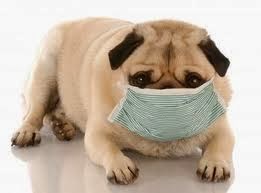
Kennel cough is a term used to describe both viral and bacterial infections that cause inflammation of a dog’s trachea. It’s similar to a chest cold in humans. Though it usually clears up on its own, kennel cough is highly contagious to other dogs.  Unfortunately, kennel cough usually does not show visible symptoms for 5-7 days after exposure. While we make intense efforts to prevent an outbreak in our kennel through extensive cleaning and disinfecting, public awareness, and by requiring vaccinations, we cannot guarantee that your dog will not be exposed.


What Are the General Symptoms of Kennel Cough?
A persistent dry cough with a “honking” sound is the main clue your dog’s caught kennel cough. In most cases, dogs appear healthy except for the cough. Their appetite and activity level usually won't change. The cough may worsen after exercise, or if it's excited or pulls against its collar. Some dogs may also develop a fever and nasal discharge.

What Should I Do if I Think My Dog Has Kennel Cough?
If you suspect your dog has kennel cough, immediately isolate it from all other dogs and call Hollywood Animal Hospital.  Do NOT bring the dog into the clinic, instead, a doctor and technician will meet you and the dog in the car to diagnose it.

How Did My Dog Catch Kennel Cough?
Dogs can catch kennel cough in several ways. It can spread through aerosols in the air, directly from dog to dog, or through germs on contaminated objects. Kennel cough is often spread while boarding in a kennel or an animal shelter, for example (hence the name), or through direct contact with other animals. The term kennel cough can be misleading because owners who don't board their pets may assume their dog cannot catch kennel cough. This is not necessarily true because any dog-dog interaction may spread the infection.

Kennel cough is so contagious that your pet might even catch it from sharing a water dish at the dog park or by simply greeting another dog. Most kennels will not board your pet without proof of a recent vaccination against parainfluenza and bordetella, two of the main causes of kennel cough.

Which Dogs Are Prone to Kennel Cough?
Most often, dogs that have frequent contact with other dogs, especially in enclosed or poorly ventilated areas, are most prone to becoming infected. Young and unvaccinated dogs are also at higher risk.

How Is Kennel Cough Prevented?
The best way to prevent kennel cough is to prevent exposure. Vaccinations are also available for several of the agents known to be involved in kennel cough, including parainfluenza, bordetella and adenovirus-2. We do recommend the bordetella vaccination for all dogs, but be advised that the vaccination is much like the flu vaccine in humans. It protects a dog against several strains of kennel cough but not all. If your dog has been vaccinated they still have a chance of becoming infected, but it is usually less severe and shorter-lived than in non-vaccinated dogs.

How Is Kennel Cough Treated?
Make an appointment to have a vet diagnose your dog with kennel cough so they can recommend the right course of treatment. It's always a good idea to come see us in case it isn't kennel cough and there is some other underlying problem. If it is kennel cough, the following course of treatment is recommended.

Dogs with kennel cough should be isolated from other dogs.
A humidifier or vaporizer can provide some relief. You can also allow your dog into the bathroom while you shower. The steam will help soothe her irritated breathing passages.
Avoid exposing her/him to cigarette smoke or other noxious, irritating fumes.
A cough suppressant may be prescribed and can be picked up at any of our local pharmacies.
If your dog pulls against her collar while being walked, replace it with a harness until the coughing subsides.
Supportive care is very important—be sure your dog is eating, drinking and in a stress-free environment.
Limit your dogs play and exercise.

How Long Does Kennel Cough Last?

In most cases, the signs of kennel cough gradually decrease and disappear after 10 days to 2 weeks. Young puppies, elderly dogs and other immunocompromised animals may take up to six weeks or more to recover. In rare cases, animals may remain infectious for long periods of time even after the symptoms have cleared up.

When Is It Time To See The Vet Again?

You should see some improvement in your dog’s condition within one week of treatment, but be alert to how long the symptoms last. If your dog has nasal discharge, is breathing rapidly, refuses to eat or seems lethargic, call us right away. Serious cases of kennel cough can lead to pneumonia if left untreated.